Maybe your skin looks a little duller than it used to, or old acne marks and sun spots stick around no matter which serum you try. A chemical peel is one of the oldest ways to refresh the skin's surface, and it's still one of the most popular cosmetic treatments in the country. A review in The Journal of Clinical and Aesthetic Dermatology ranks chemical peels as the third most common noninvasive cosmetic procedure in the United States, behind Botox and dermal fillers.
Still, the idea of your skin peeling off makes plenty of people nervous, and most peels feel much gentler than the name suggests. Keep reading to learn how chemical peels work, what they can help with, what recovery feels like, and where to start for those looking for the best chemical peels in Bend.
What Does a Chemical Peel Actually Do to Your Skin?
Your skin constantly makes new cells that move up to the surface and shed. With age and years of sun exposure, that process slows down, and dead, damaged cells pile up and leave your skin looking dull, rough, or blotchy. A chemical peel speeds things up. Your provider brushes an acid solution onto clean skin, and the acid loosens the bonds that hold damaged cells together. Over the next several days, those cells flake away, and fresher skin takes their place.
Stronger peels go a step further. When a peel reaches below the outer layer, your body responds by making new collagen, the protein that keeps skin firm and smooth. This healing response can soften fine lines and shallow scars over the following weeks and months.
What Are the Different Types of Chemical Peels?
Dermatologists in Bend, OR, sort chemical peels into three groups based on how deep they reach. In general, a deeper peel brings a bigger change and a longer recovery.
- Light peels use mild acids like glycolic, lactic, or salicylic acid on the outermost layer of skin. They help with dullness, clogged pores, mild acne, and early sun damage, and most people get back to their routine the same day.
- Medium peels use a stronger acid called trichloroacetic acid, or TCA, to reach a bit deeper. They can improve sun spots, uneven tone, fine lines, and some acne scars, with about one to two weeks of redness and peeling.
- Deep peels reach well into the skin to treat deeper wrinkles and scars. They require weeks of healing and carry more risk, so many providers now choose other resurfacing options for these concerns.
Most people do well with a light or medium peel, and light peels work nicely as a series spaced a few weeks apart.
What Skin Problems Can a Chemical Peel Help With?
Peels can treat both cosmetic concerns and some medical skin conditions. Depending on its strength, a chemical peel may help with:
- Acne, blackheads, and clogged pores
- Shallow acne scars and dark marks left by old breakouts
- Sun spots, melasma, and uneven skin color
- Fine lines around the eyes and mouth
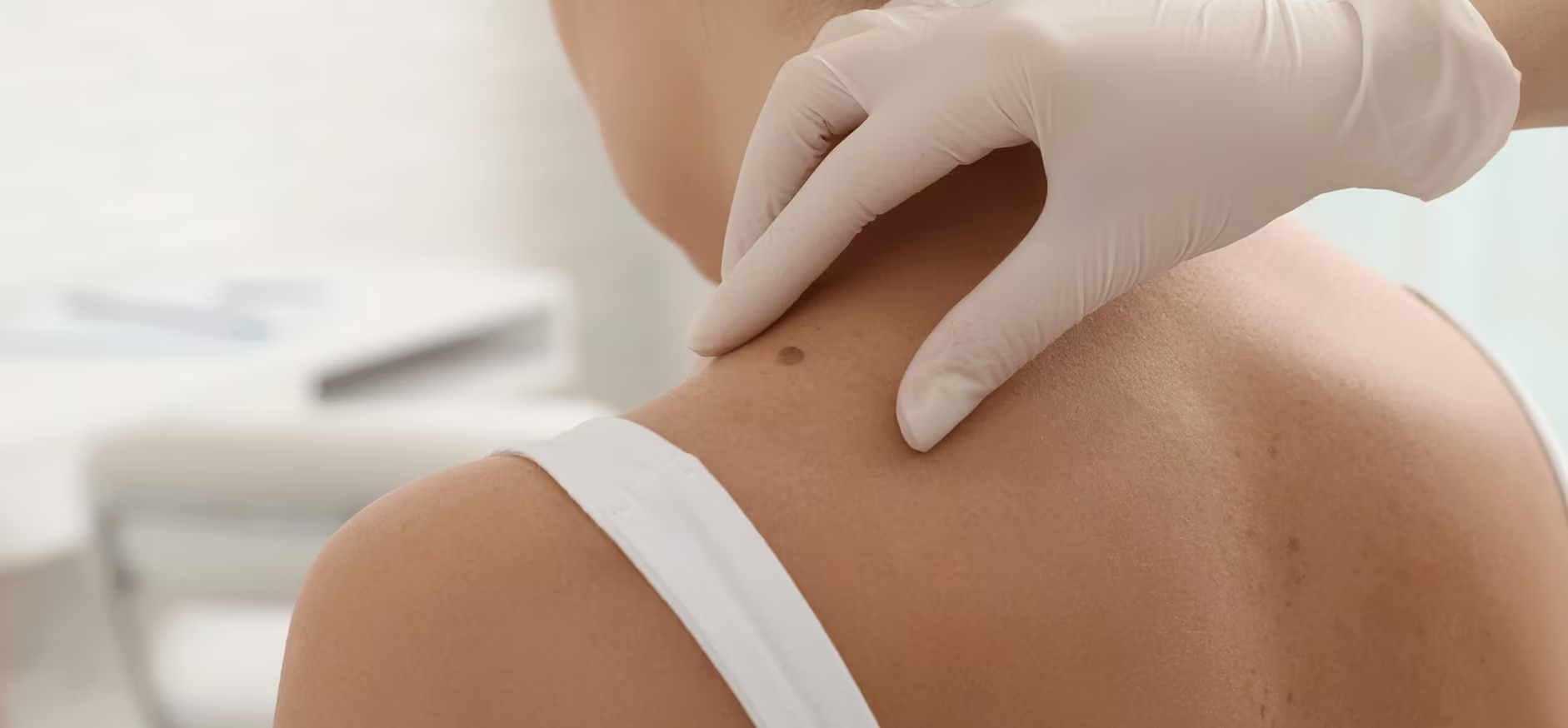
- Rough, scaly patches from sun damage called actinic keratoses, which a provider should always examine first
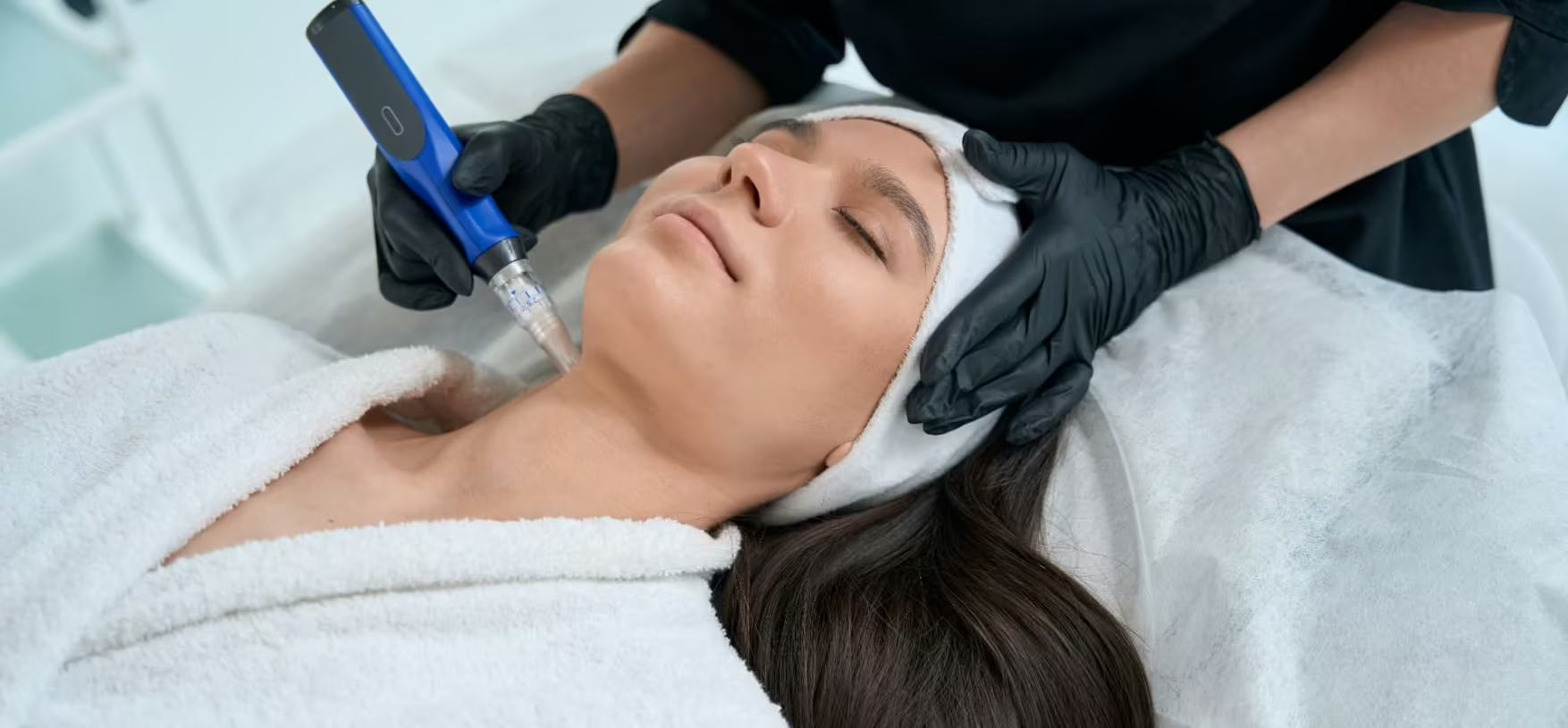
Deep wrinkles and sagging skin usually need a different treatment. For acne scars, your provider may combine a series of peels with medical-grade microneedling, which builds collagen in a different way. You can learn more in our article, What Is Microneedling and Is It Right for You?
What Happens During a Chemical Peel Appointment?
Your first visit starts with a close look at your skin and a talk about your goals, home skincare products, medications, and past treatments. These details help your provider choose the right peel and lower the risk of side effects like unwanted dark spots.
A peel may need to wait if you are pregnant or breastfeeding, have taken isotretinoin for acne within the past year, have a fresh sunburn, or have an active cold sore or skin infection. If you tend to get cold sores, your provider may prescribe an antiviral medication beforehand.
On treatment day, your provider cleans your skin, protects sensitive spots around your eyes and nostrils, and brushes on the peel solution. Most people feel warmth, tingling, or stinging for a few minutes while your provider watches how your skin responds and removes the solution at the right moment. A light peel usually takes about 30 minutes.
How Long Does It Take to Recover From a Chemical Peel?
After a light peel, your skin may look pink and feel tight, with light flaking for three to seven days. A medium peel causes redness, swelling, and noticeable peeling for about one to two weeks, and some pinkness can linger a little longer.
A question we regularly hear is, “Will my skin actually peel off in sheets?” With a light peel, probably not. Most people see fine, dry flaking. Medium peels cause more visible peeling, so many patients plan them around a quieter week.
During recovery, use a gentle cleanser and a plain moisturizer, avoid picking at peeling skin, and skip scrubs and retinoids until your provider says it's OK. Sunscreen matters most of all. Bend's high altitude means stronger UV rays all year, and winter sun bouncing off fresh snow on Mount Bachelor can be surprisingly intense. Many Central Oregon locals book peels in fall and winter, but daily SPF 30 or higher belongs in your routine every season.
Where to Find the Best Chemical Peels in Bend, OR
Snow Dermatology builds every peel plan around a careful skin assessment and how much downtime fits your life. Amy Snow, PA-C, trained in cosmetic dermatology in Beverly Hills and has spent more than two decades treating sun damage, acne, and uneven pigment. The NCCPA has named her one of the top 50 physician assistants in the country making a difference, and she has published an online dermatology photo atlas. If you're looking for a dermatologist in Bend who can guide you to the right peel, our team can pair peels with SkinPen microneedling, Geneo facials, and customized skincare plans for longer-lasting results. Because we treat both medical and cosmetic skin concerns, we can also catch signs of precancerous sun damage during a cosmetic visit.
Our dermatology clinic in Bend sits near the corner of SW Bond Street and SW Wilson Avenue, a short drive from the Old Mill District and downtown Bend, with easy access from the Bend Parkway (U.S. 97).
Ready to start your search for the best chemical peels in Bend with a one-on-one skin consultation and leave with a peel plan made for your skin?