
.svg)
.svg)

.svg)

.svg)
You know the pattern well: Your skin becomes dry and intensely itchy, you scratch it, the rash gets worse, and you start trying one over-the-counter product after another, hoping something will finally work. This can be a seemingly endless cycle until you discover which type of eczema you have and what is driving your flares. Atopic dermatitis, the most common form of eczema, affects about one in 10 Americans, according to the American Academy of Dermatology. No matter what type of eczema you have, specialized treatment is usually the only way to get long-term relief.
Eczema is not simply dry skin. It involves inflammation and a weakened skin barrier, which allows moisture to escape and makes the skin more vulnerable to irritants. Read on to learn more about the causes of eczema, different treatment options, and where to find the best dermatology care in Bend, OR.
What Does Eczema Look and Feel Like?
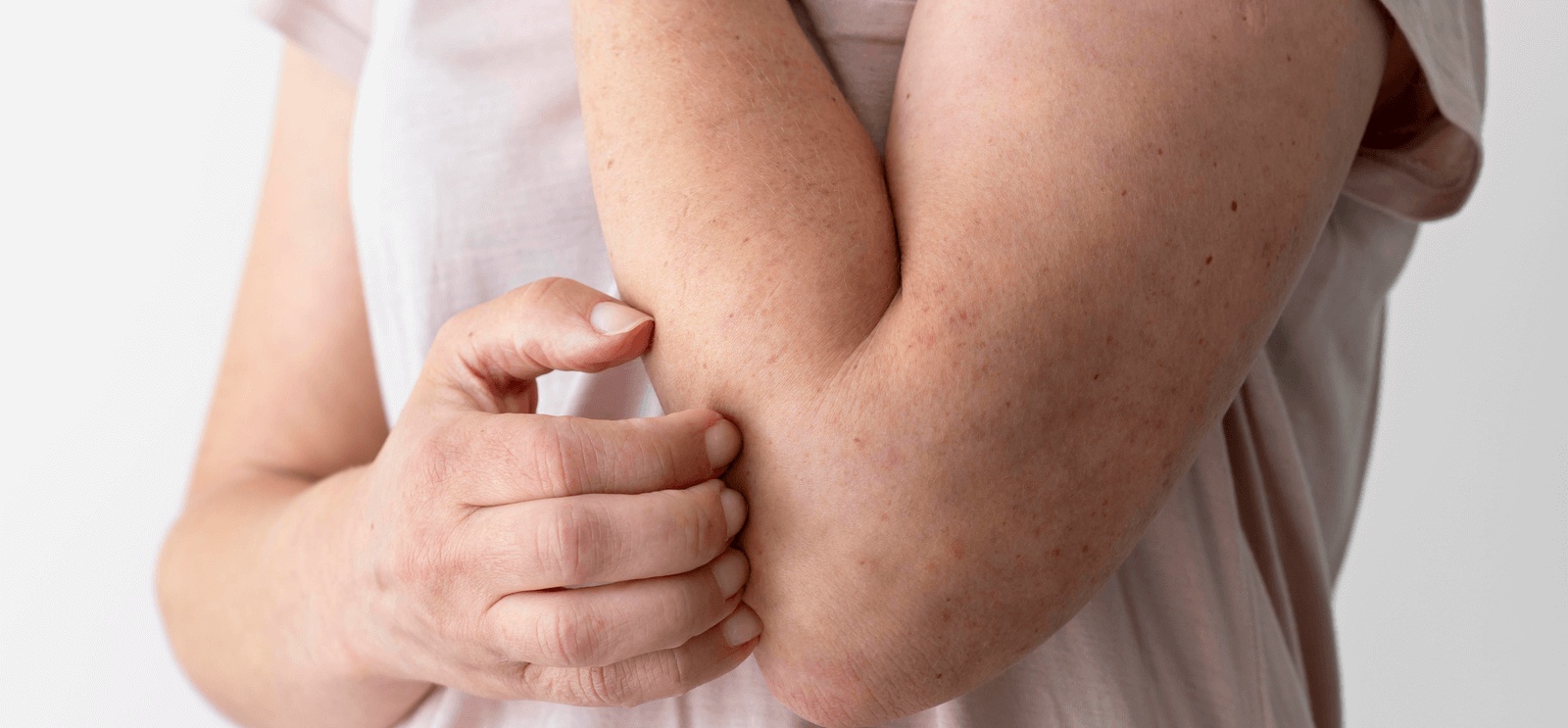
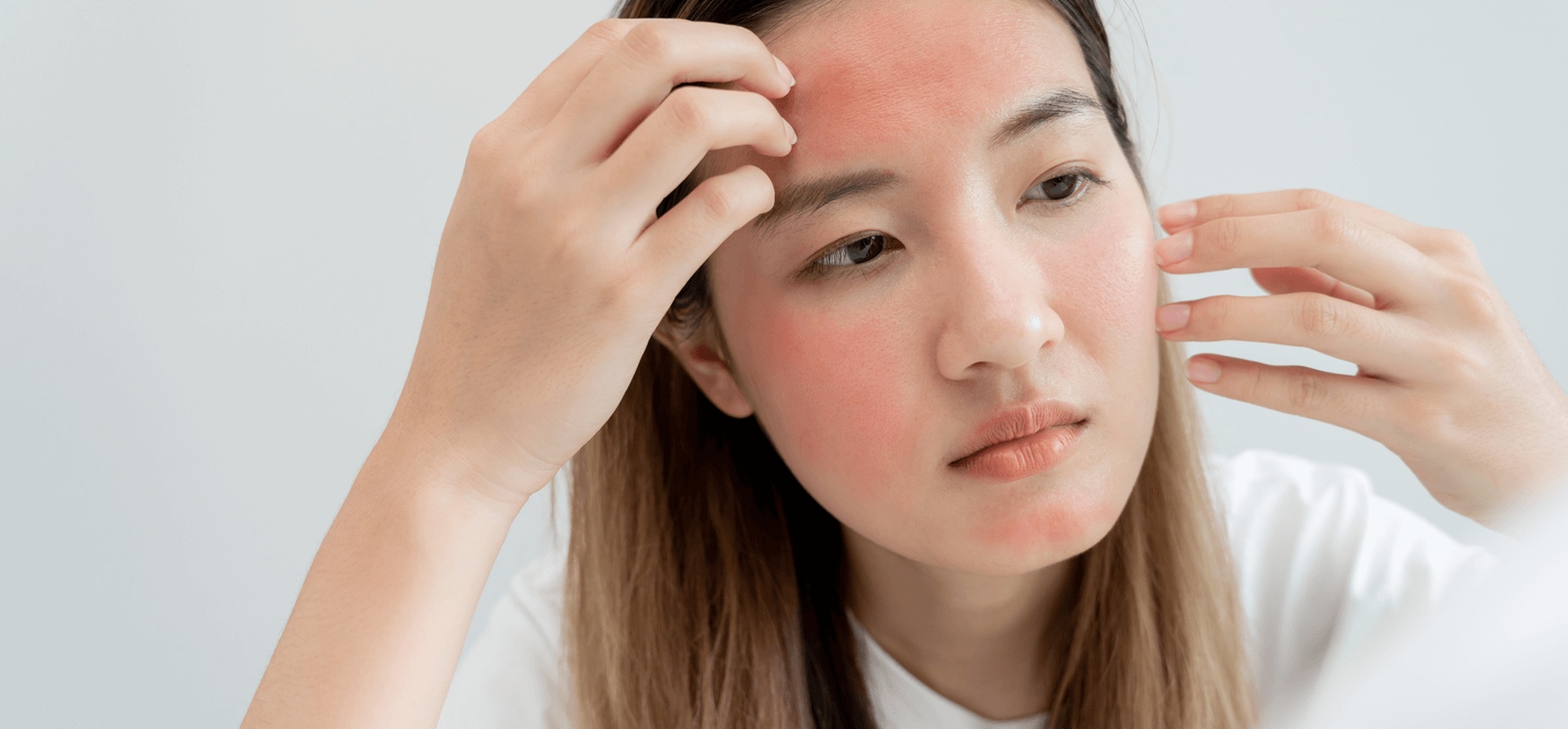
Eczema commonly causes itchy, dry, inflamed skin, but its appearance can vary quite a bit from person to person. Depending on your skin tone and the stage of a flare, eczema may look red, pink, purple, brown, gray, or darker than the surrounding skin. You may also notice scaling, cracking, oozing, crusting, or thickened skin from repeated scratching.
The location of your eczema can provide useful information. In adults, eczema can affect the hands, face, eyelids, neck, arms, legs or folds of the body. Children usually develop it in different locations than adults, and some people develop eczema for the first time as adults.
One important clue is the itch-scratch cycle. Eczema causes inflammation that makes the skin itch. Scratching damages the skin barrier, which increases inflammation and allows more irritants to enter. That can create even more itching. This means that if a rash is repeatedly itchy and keeps returning despite using moisturizer, it is worth asking whether it’s caused by inflammation, not just skin dryness. Eczema can also change over time. A flare may be intensely itchy and inflamed, while chronic eczema can leave the skin thickened, rough, or discolored.
How Do You Know If a Rash Is Eczema?
Several skin conditions can resemble eczema. This is why you cannot always tell by looking at a rash yourself.
Only a dermatology-trained clinician usually makes an accurate diagnosis, which starts with a detailed skin examination and learning about your medical history.
What Treatments Actually Help Eczema?
The right eczema treatment in Bend, OR depends on your symptoms, the affected areas, how often you flare, and how much eczema interferes with your life. Some treatments may include:
- Moisturizers: Fragrance-free creams and ointments can help restore the skin barrier and reduce water loss. Applying moisturizer after bathing while the skin is still slightly damp can help lock in hydration.
- Topical medications: Corticosteroids have been used for decades and remain an important treatment for eczema. Depending on your needs, dermatology providers may also prescribe topical calcineurin inhibitors, PDE-4 inhibitors, JAK inhibitors, or other newer medications.
For those with moderate to severe eczema that is not adequately controlled with topical treatment, additional options may include phototherapy or systemic medications. Modern systemic treatment includes biologic medications and other targeted therapies that work on specific inflammatory pathways involved in atopic dermatitis.
How to Prevent Eczema Flare-Ups
Daily skin care is one of the most useful parts of eczema management because the skin barrier needs consistent support even when your skin looks clear. An eczema skin care routine may include:
- Using a fragrance-free cream or ointment rather than relying on lightweight lotions
- Moisturizing after bathing and whenever your skin becomes dry
- Taking shorter, lukewarm showers instead of very hot showers
- Choosing gentle, fragrance-free cleansers
- Avoiding scratching when possible and keeping fingernails short
- Paying attention to products, fabrics, detergents, heat, and other factors that seem to trigger flares
- Following your prescribed treatment plan even when symptoms begin improving
Weather can also affect eczema. The dry climate in Bend, Oregon may be challenging for people whose skin already has difficulty retaining moisture. Indoor heating during colder months can further dry the air and skin. That does not mean climate is the sole cause of eczema, but environmental conditions can influence how your skin feels and how often it flares.
Where to Find the Best Dermatology Care in Bend, OR
Snow Dermatology approaches eczema care by first determining what is actually causing the rash and then building treatment around your skin, symptoms, and daily routine.
At our state-of-the-art clinic, Amy Snow, PA-C, brings more than 23 years of experience in medical, surgical, pediatric, and cosmetic dermatology. Her work has earned national recognition, including 2025 DermPA™ of the Year and 2025 PA Associate Citizen of the Year, and her commitment to rural dermatology access has shaped the work of Project Happy Face.
For those looking for the best dermatologist in Bend, OR, we bring that same focus on thoughtful, personalized care to patients of any age.
Ready to get the best dermatology care in Bend for effective, personalized treatment of eczema?




.jpg)





.svg)
.svg)

.svg)