
.svg)
.svg)

.svg)

.svg)
A patch of dry skin that won’t heal may seem insignificant at first, but it can interfere with your life by causing embarrassing flaking, skin sensitivity, or itching that keeps you up at night.
Psoriasis and eczema are two common skin conditions that look a lot alike at first glance, which is why people often try the wrong cream, avoid the wrong triggers, and stay stuck in the same cycle of symptoms. Understanding the difference between these two conditions matters because they arise from different causes and respond to different treatments. With more than 7.5 million adults in the United States suffering from psoriasis, you are far from alone in trying to figure out which skin condition you’re dealing with and where to find effective treatment.
Read on to learn how to tell the difference between eczema and psoriasis, including where they tend to show up, what usually triggers them, and where to find the best dermatology care in Bend for treatment.
What is the Difference Between Psoriasis and Eczema?
Unlike skin rashes, psoriasis and eczema are chronic skin conditions that can look similar on the surface, but they stem from very different underlying causes:
- Psoriasis is an autoimmune condition, which means the immune system misfires and tells skin cells to grow far too fast. That buildup creates thick, raised patches that often look silvery or chalky and feel tight, rough, or even sore when the skin cracks.
- Eczema, also called atopic dermatitis, is a chronic inflammatory condition linked to a weakened skin barrier, so the skin loses moisture easily and reacts strongly to things like soap, sweat, dust, or pollen. Eczema patches are usually red, swollen, and intensely itchy, and the skin can feel hot or sting after scratching or washing.
The key difference between these two conditions is what drives the flare: Psoriasis is powered by abnormal immune cell activity that speeds up skin cell growth, while eczema flares are often triggered from the outside in. Finding the best skin condition treatments in Bend relies on knowing which skin condition you are dealing with.
Symptoms of Psoriasis vs. Symptoms of Eczema
The symptoms of psoriasis and eczema can overlap, which is why so many people second-guess what they are seeing on their skin:
- Psoriasis symptoms usually include thick, well-defined patches that sit on top of the skin like extra layers, with scales that can look silvery or pale white under the light. These areas often feel tight or sore, and when the skin cracks, it can burn or sting, especially after a shower or when clothing rubs against it.
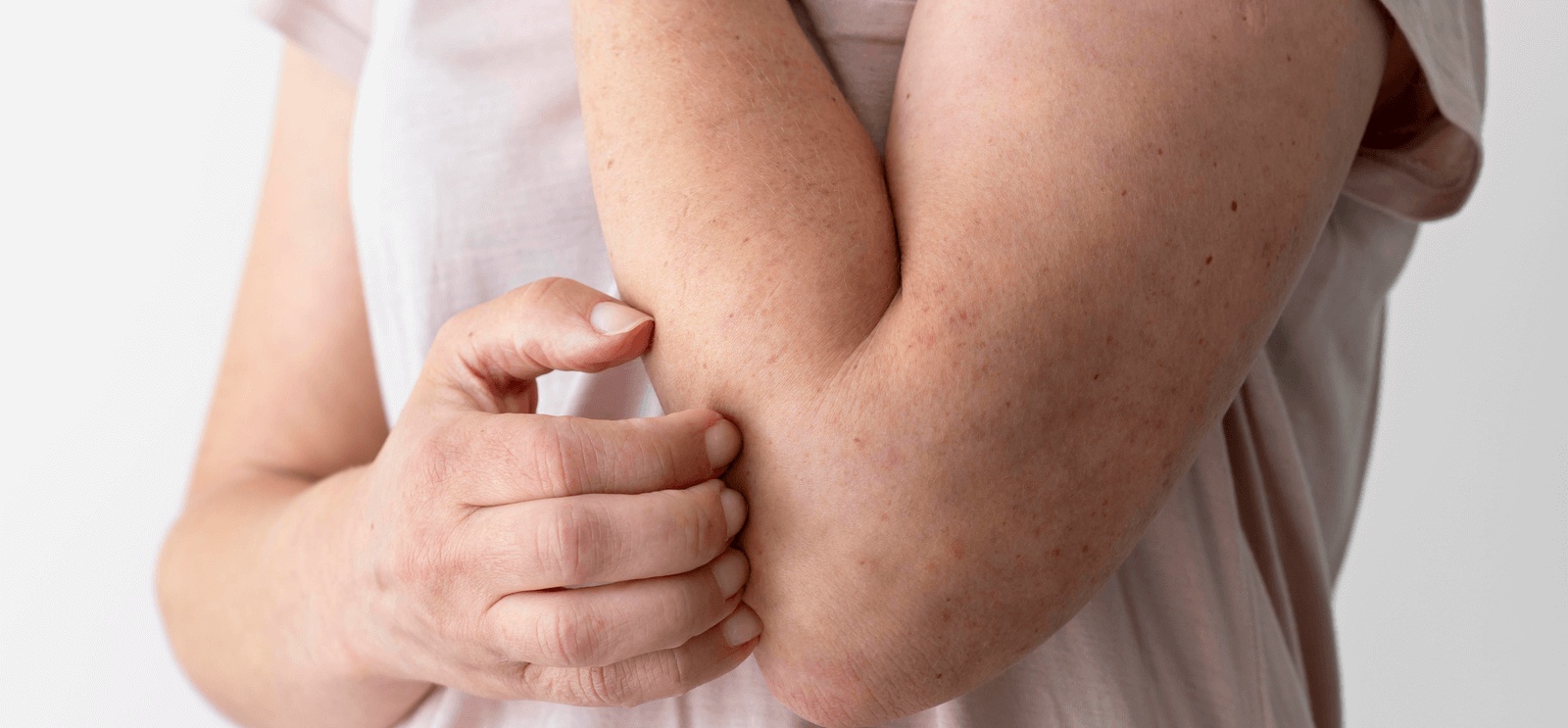
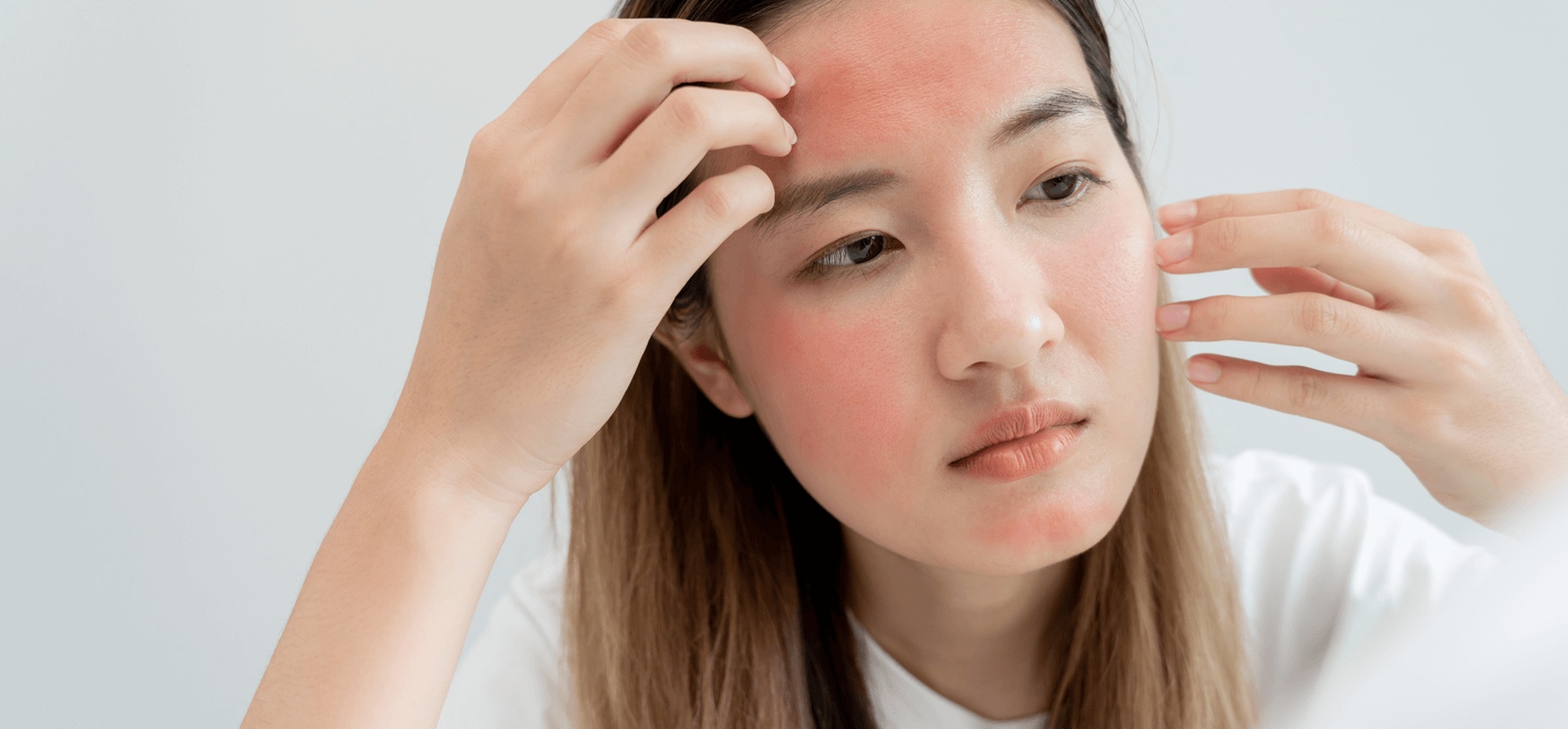
- Eczema symptoms often include intense itching, redness, swelling, and inflamed skin, commonly appearing on the hands, neck, face, or inside the elbows. Scratching can leave the skin feeling raw or weepy, and some patches may ooze before crusting over.
Skin texture offers another clue to understanding which condition you’re dealing with. Psoriasis plaques are raised and flaky because skin cells are piling up too fast, while eczema patches tend to feel dry, rough, and irritated.
Causes and Triggers of Eczema and Psoriasis
Eczema and psoriasis both involve inflammation and can both flare without warning, but the reasons behind those flares are often very different:
- Psoriasis starts deep in the immune system, where signals misfire, telling skin cells to multiply far faster than they should
- Eczema begins closer to the surface when the skin barrier does not hold moisture well, so the skin dries out, reacts easily to environmental irritants, and feels sensitive to contact with things like soap, sweat, rough fabric, heat, or pollen
The Best Eczema Treatment in Bend, OR
Treatment for eczema works best when focused on protecting the skin barrier and reducing irritation:
- Daily moisturizers that seal in moisture and reduce dry, tight-feeling skin
- Avoiding triggers like harsh soaps, heat, or scratchy fabrics
- Prescription-strength topical corticosteroids to calm flares
- Over-the-counter antihistamines to ease itching
Psoriasis Treatment Options
Unlike eczema care, psoriasis care is focused on slowing skin cell buildup and calming an overactive immune response. This includes:
- Topical steroids to ease redness and soreness
- Vitamin D creams that help regulate skin growth
- Light therapy to soften thick plaques over time
- Immune-targeting medications called biologics to quiet the signals driving rapid skin cell production
Where to Find the Best Dermatology Care in Bend for Eczema and Psoriasis Treatment
When an eczema flare-up begins right before an important event, or a spot won’t heal despite all over-the-counter remedies. That urgency is why people searching for the best female dermatologist in Bend turn to Amy Snow, PA-C, for fast, effective care that stays focused on real outcomes. At Snow Dermatology, our approach is practical and efficient, with visits that move quickly from diagnosis to action so patients are not left guessing or juggling experiments with treatments.
Ready to get the best dermatology care in Bend for eczema and other chronic skin conditions?




.jpg)





.svg)
.svg)

.svg)